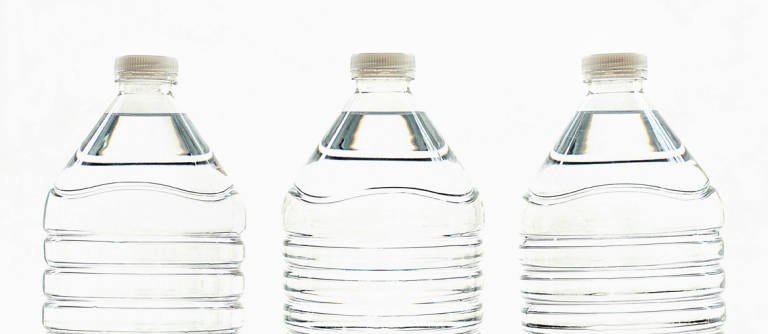

How Recycled PET is Shaping the Future of Sustainable Manufacturing
In the race to combat environmental degradation, recycled PET (rPET) has emerged as a game-changer. This article explores how rPET is revolutionizing sustainable manufacturing and how IAS Plastic plays a key role in promoting this material on a global scale.
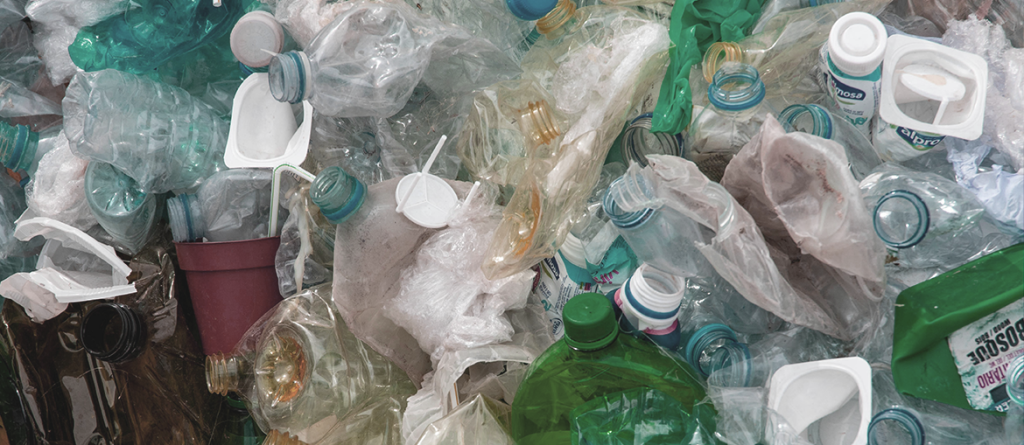
What is Recycled PET (rPET)?
Recycled PET, or rPET, is a material made from recycled plastic bottles and containers. It’s increasingly becoming the material of choice for industries looking to reduce their environmental impact. rPET helps in reducing waste and conserves raw materials, making it crucial in global sustainability efforts. Using rPET lowers carbon emissions and decreases the reliance on virgin plastics, supporting a greener manufacturing process.
The Demand for Sustainable Materials
As businesses move towards eco-friendly practices, the demand for sustainable materials has skyrocketed. rPET is not only environmentally friendly but also cost-effective, making it an ideal choice for industries transitioning to sustainable materials.
Applications of rPET in Various Industries
Recycled PET has found applications in multiple sectors.
- rPET in Packaging, One of the most common uses of rPET is in packaging, where it offers durability and recyclability.
- rPET in Textiles, rPET is also used in the textile industry, transforming waste into new fabrics for clothing and accessories.
- Innovations in rPET Applications. From furniture to automotive components, rPET’s innovative uses continue to expand, unlocking new opportunities for sustainable manufacturing.
Global Trade of rPET
The global trade of rPET is booming as more countries adopt stricter recycling guidelines.
Indonesia’s Role in the Global rPET Supply Chain
Indonesia has become a significant player in the global rPET trade, supplying high-quality recycled materials to international markets. IAS Plastic’s Contribution to rPET Trade
IAS Plastic, with its focus on quality and sustainability, is helping bridge the gap between suppliers and buyers of rPET worldwide.
Challenges and Opportunities in rPET Recycling
Like any industry, rPET recycling faces challenges but also offers immense opportunities for growth. Ensuring consistent quality in rPET is vital, and IAS Plastic focuses on meeting these stringent standards. The key to growing the rPET market lies in expanding recycling infrastructure and capabilities. As the world shifts toward a circular economy, rPET will play an increasingly central role in reducing waste and creating sustainable production cycles. In a circular economy, products are reused, recycled, and reinvented, and rPET is at the heart of this transformation.
How Companies Can Maximize rPET Benefits
Businesses looking to maximize their environmental impact should consider integrating rPET into their manufacturing processes, sourcing reliable partners like IAS Plastic. rPET is not just a trend; it’s the future of sustainable manufacturing. With growing applications and global demand, companies that invest in rPET now will be ahead in the race for a greener planet.
FAQ
What makes rPET different from regular PET?
rPET is made from recycled materials, reducing the need for virgin plastic and lowering environmental impact.
Is rPET suitable for all types of packaging?
Yes, rPET is widely used in food and beverage packaging due to its safety and durability.
How does IAS Plastic ensure the quality of rPET?
IAS Plastic works with trusted suppliers and follows strict quality control processes to guarantee consistent quality.
What industries benefit the most from rPET?
Packaging, textiles, and automotive industries are major beneficiaries of rPET.