The Future of Plastic Waste Management: Why PET Recycling Is Key for Global Sustainability
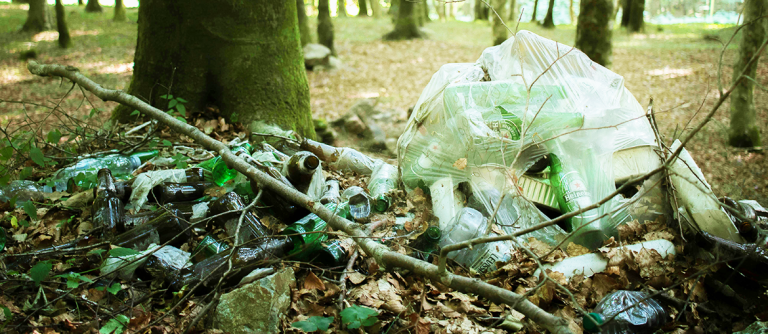
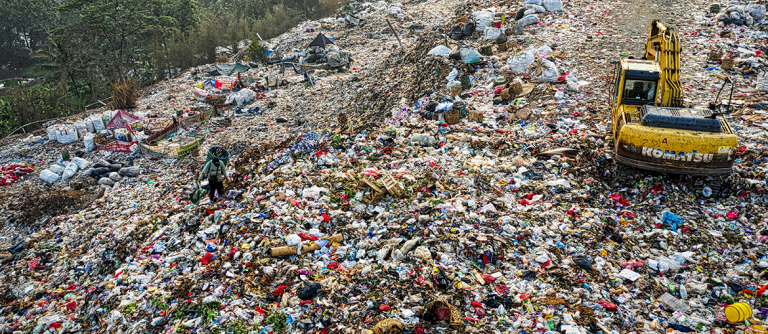
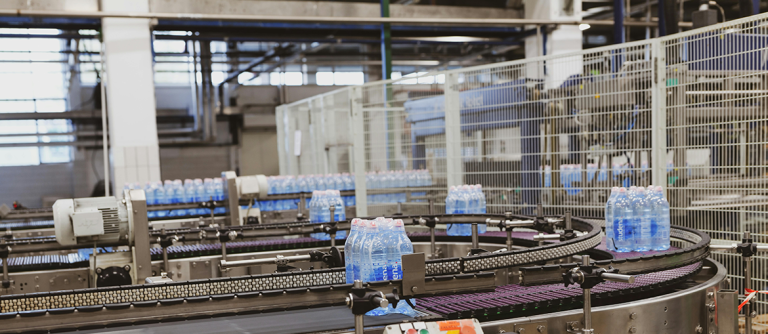
In today’s world, plastic waste has become one of the most pressing environmental challenges. From polluting our oceans to filling up landfills, plastic waste is everywhere. As industries and governments work towards more sustainable practices, PET (Polyethylene Terephthalate) recycling has emerged as a critical solution in the global effort to reduce plastic waste and promote sustainability.
What Is PET and Why Is It Important?
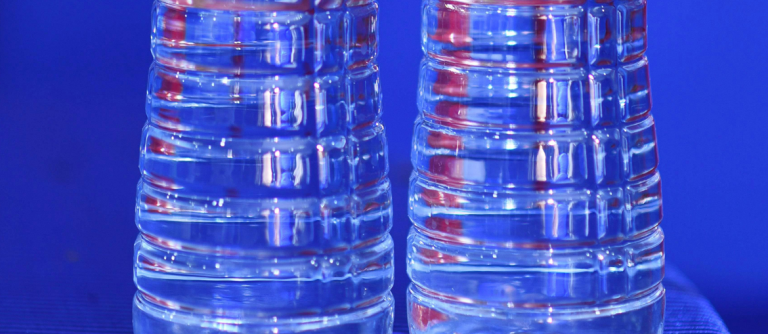
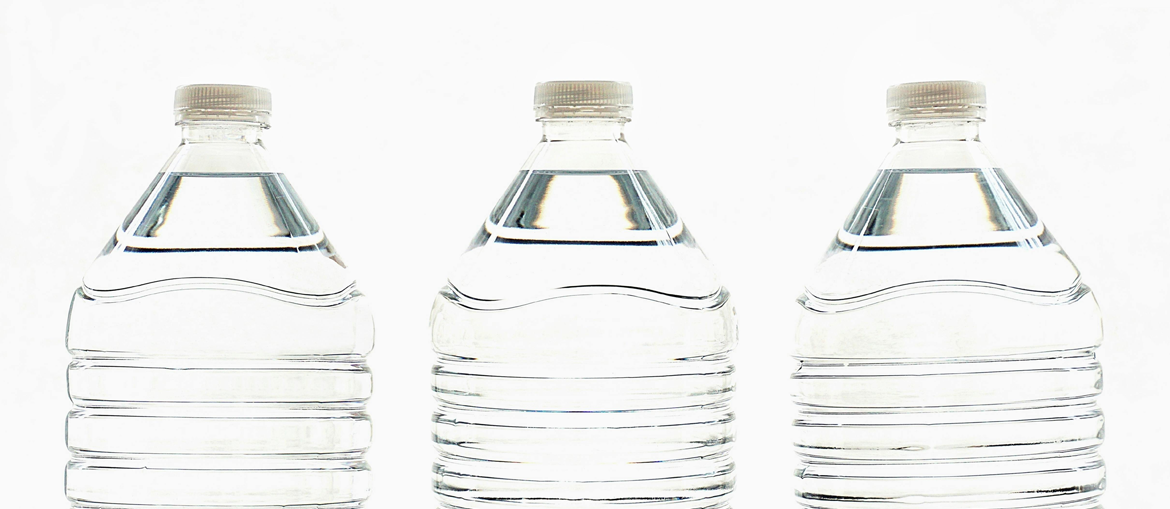
PET is one of the most widely used plastics, commonly found in beverage bottles, food packaging, and various consumer goods. Its versatility and durability make it an essential material in modern life, but its widespread use also means it contributes significantly to plastic waste. Fortunately, PET is also one of the most easily recyclable plastics, making it a key target for recycling efforts.
The Growing Demand for Sustainable Packaging
As consumers become more environmentally conscious, the demand for sustainable packaging solutions has skyrocketed. PET, being lightweight, durable, and recyclable, is often the preferred material for companies looking to reduce their environmental footprint. By investing in PET recycling, businesses can meet consumer demand while also contributing to global sustainability goals.
The Environmental Impact of PET Recycling
Recycling PET has a significant positive impact on the environment. For every ton of PET that is recycled, the need for virgin plastic production is reduced, which in turn decreases energy consumption, reduces greenhouse gas emissions, and conserves natural resources. Furthermore, PET can be recycled multiple times without losing its quality, making it an ideal material for a circular economy.
Reducing Plastic Waste Through a Circular Economy
The concept of a circular economy is gaining traction as a sustainable alternative to the traditional linear model of “take, make, dispose.” In a circular economy, materials like PET are continuously recycled and reused, reducing the need for new resources and minimizing waste. PET recycling is central to this model, as it allows plastic waste to be reintegrated into the production cycle instead of ending up in landfills or oceans.
Global Efforts to Promote PET Recycling
Governments and industries around the world are increasingly recognizing the importance of PET recycling. In many countries, regulations have been implemented to encourage recycling through deposit-return schemes, mandatory recycling targets, and incentives for businesses to use recycled materials. These initiatives are helping to drive the development of recycling infrastructure and increase the availability of recycled PET (rPET) in the market.
Technological Advancements in PET Recycling
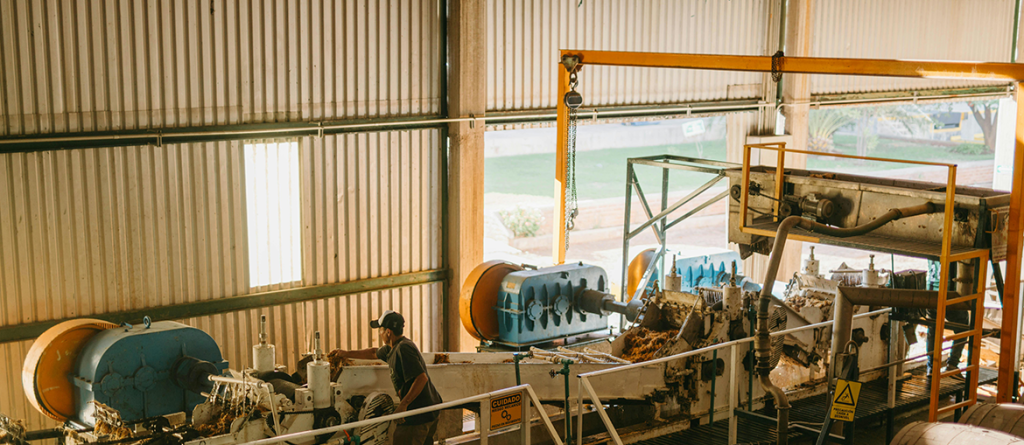
Innovations in recycling technologies are making it easier and more efficient to recycle PET. New methods such as chemical recycling allow PET to be broken down into its original components and reprocessed into high-quality plastic. These advancements are critical in increasing the volume of PET that can be recycled and improving the quality of rPET products.
The Role of Businesses in PET Recycling
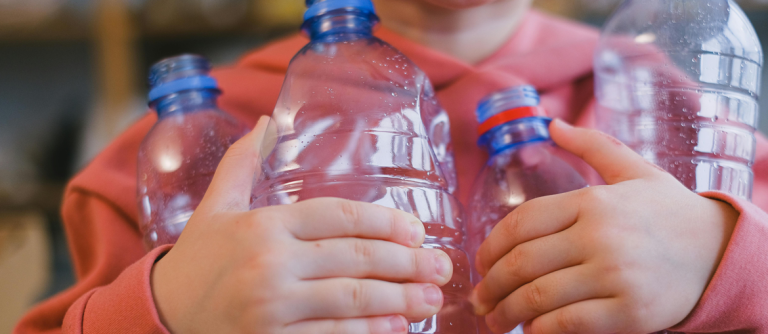
Companies have a crucial role to play in promoting PET recycling. By committing to using rPET in their products, businesses can help create demand for recycled materials and support the growth of the recycling industry. Furthermore, companies can work with recycling partners, like IAS Plastic, to develop long-term purchasing programs that ensure a consistent supply of high-quality recycled PET for their operations.
Challenges in PET Recycling
Despite the benefits, PET recycling still faces challenges. One major issue is the contamination of PET waste with other plastics or non-recyclable materials, which can reduce the quality of recycled PET. Additionally, the global capacity for PET recycling needs to be expanded to meet the growing demand for sustainable materials. Addressing these challenges will require continued investment in recycling infrastructure and public education on proper waste sorting.
FAQs
Why is PET important in plastic recycling?
PET is widely used in packaging and is easily recyclable, making it essential for reducing plastic waste and supporting sustainability efforts.
How does PET recycling benefit the environment?
Recycling PET reduces the need for virgin plastic, conserves natural resources, lowers greenhouse gas emissions, and supports a circular economy.
What are the challenges of PET recycling?
Contamination with other materials and limited recycling capacity are key challenges, but technological advancements and better waste sorting can help overcome them.
How can businesses contribute to PET recycling?
Companies can use rPET in their products, partner with recycling providers, and implement long-term purchasing programs to support the recycling industry.
What role does technology play in PET recycling?
Innovations like chemical recycling are improving the efficiency and quality of PET recycling, making it possible to recycle more PET into high-quality products.