
The Role of Global Partnerships in Driving Eco-Friendly Recycling Solutions
The future of recycling depends on global cooperation. As environmental concerns grow, partnerships across borders are crucial to driving eco-friendly recycling solutions. In this article, we’ll explore the importance of global partnerships in the recycling industry and how IAS Plastic is playing a vital role.

The Growing Need for Eco-Friendly Recycling
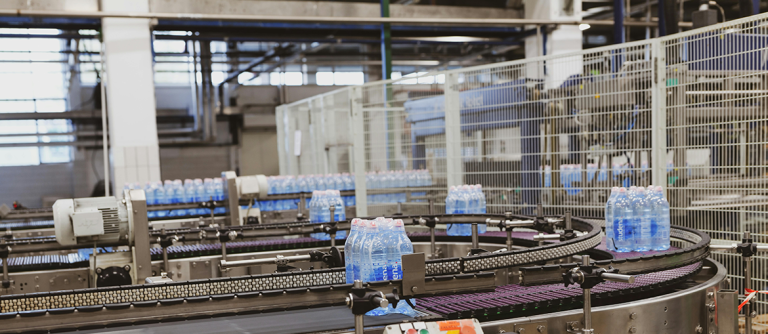
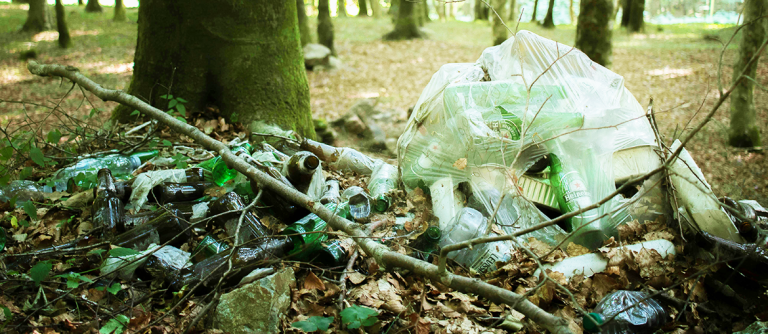
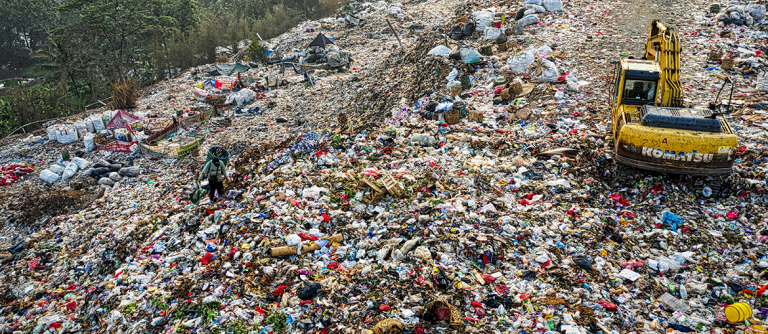
Plastic waste continues to be a major environmental issue, and eco-friendly recycling offers a solution. Plastic waste is responsible for large-scale pollution of oceans and landfills. Recycling is the key to reducing this global environmental crisis. Recycling plastic materials, particularly PET, reduces the need for virgin plastics and helps save natural resources.
Why Global Partnerships Matter
Recycling on a global scale requires collaboration. No single entity can manage the complexities of the recycling process alone. When companies, governments, and organizations work together, they can leverage each other’s strengths and resources, creating more efficient recycling systems. Countries like Indonesia have partnered with international companies to build robust recycling infrastructure, creating a model for others to follow. Partnerships allow for the exchange of knowledge and technology, pushing the boundaries of recycling innovation.
1.Combining Resources and Knowledge
Global partnerships bring together expertise from different regions, helping overcome challenges such as waste management and improving recycling techniques.Through partnerships, local recycling firms gain access to international markets, where there is increasing demand for recycled materials like PET. IAS Plastic acts as a bridge between suppliers and buyers of recycled plastic materials, fostering long-term relationships that benefit all parties.
2. Connecting Producers and Buyers Worldwide
By connecting global partners, IAS Plastic enables businesses to source high-quality recycled PET from Indonesia, helping meet sustainability goals. IAS Plastic offers tailored solutions to address specific recycling challenges, helping partners maximize the value of their recycled plastic scrap.
Challenges in Global Recycling Partnerships
Despite the benefits, global recycling partnerships also face certain challenges, such as navigating different regulations and ensuring trust between partners.
1.Addressing Regulatory Differences
Each country has its own set of recycling regulations, making it essential for partners to understand and comply with local laws.
2.Ensuring Transparency and Trust
Trust is critical in global partnerships, and IAS Plastic prioritizes transparency in pricing and operations to build strong, lasting relationships.
Opportunities for Businesses in Global Recycling
Businesses involved in global recycling partnerships can gain access to new markets and enhance their sustainability credentials. Global partnerships provide access to international buyers who are seeking eco-friendly recycled materials, opening up new revenue streams. By participating in global recycling efforts, businesses can improve their brand image and meet growing consumer demand for sustainable practices. As the world continues to prioritize sustainability, global recycling partnerships will play an even bigger role in shaping the industry’s future. Innovations in recycling technology, such as chemical recycling, and the rise of circular economy models are setting new trends in the global recycling market.
How to Get Involved in a Global Recycling Partnership
To join the global movement toward eco-friendly recycling, businesses can partner with companies like IAS Plastic to source high-quality, sustainable materials.
Global partnerships are the key to creating a sustainable future through eco-friendly recycling. By leveraging the expertise and resources of partners worldwide, businesses can maximize the impact of their recycling efforts while contributing to a greener planet.
FAQs
Why are global partnerships important in recycling?
Global partnerships enable companies to share resources, expertise, and market access, making recycling more efficient and impactful.
How does IAS Plastic support global partnerships in recycling?
IAS Plastic connects suppliers and buyers across the globe, facilitating eco-friendly recycling programs that benefit both parties.
What are some challenges in global recycling partnerships?
Regulatory differences and ensuring transparency between partners can pose challenges, but they can be addressed through clear communication and trust.
What opportunities exist for businesses in global recycling?
Businesses can access new markets, improve their sustainability credentials, and gain a competitive edge by participating in global recycling partnerships.
What trends are shaping the future of recycling?
The circular economy, technological innovations like chemical recycling, and the growing demand for sustainable materials are driving the future of recycling.